Lead2Coach

Operating model & governance design · Zürich

We redesign the system. We coach the leaders inside it.

Most change stalls on how a company is set up, not on the technology. AI is only the newest test of that.

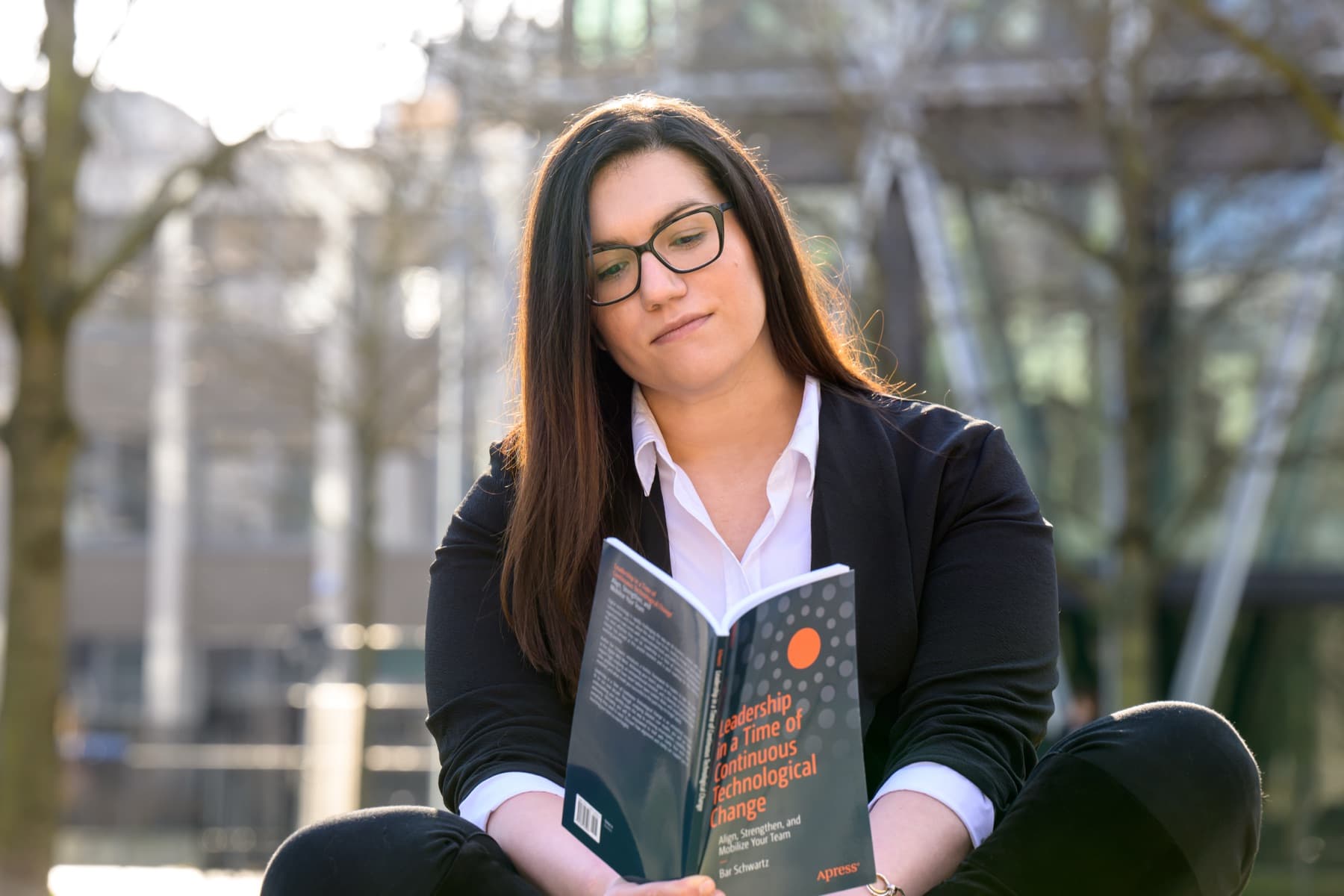
Bar Schwartz, sitting outside an office building, reading Leadership in a Time of Continuous Technological Change
Bar Schwartz · Founder & author

Who this is for

Growing faster than the way you work, or stuck inside it

  • Constantly busy, and nothing moves
  • Blocked by people with no reason to change it
  • Hours of meetings that produce agreement without alignment

The same problem from opposite ends. What differs is where the work starts.

Growing faster than the structure

  • Everything that matters still routes through two or three people
  • The founding team and the senior hires want two different companies

Run from the inside rather than advised from across a table: an engineering organization from 60 to 130 people across four products, and the product function built from nothing.
Set up to move, and not moving

  • A change is agreed and funded, and a quarter later nothing has landed
  • The incentives still reward what the previous model rewarded

A global solution management program, now an official program in the Bayer Radiology Academy, and AI transformation running inside one of the world's largest insurers.

What you can buy

We don’t run your change. We build the people who can.

Three practices, one craft: leaders who can see the system they are in, and move it.

  1. A diagnostic, before we meet

    So day one starts from real answers rather than introductions.

  2. A workshop, one to three days

    Where every engagement starts, and sometimes the whole of it.

  3. Then what it found needs

    Scoped after the workshop, when we both know the size of it.

Two short versions of that diagnostic are on the method page, free. The Academy runs open workshops with dates, one a month from January.

Leading adaptive change

Leaders who can carry a contested change without us in the room.

  • Culture mapping: what the behavior is, and what it costs
  • Values evolution, when the old set was written for a smaller company
  • A team inside the company that can do it again alone

Getting work moving

Delivery that holds, and a product function that owns the outcome.

  • A product function that exists, and people who can run it
  • Work that ships, because the sequence and the handoffs changed
  • One role owning a product from idea to retirement

Idea to commercial

Teams that take an idea all the way to commercial.

  • Innovation culture that survives the first no
  • Innovation cohorts, business cases and funnels that finish things
  • Leading projects from idea to commercial

What has been tried

Hard to change a system from inside it. That is the job.

Agile tried it

It works where authority really moved. Where it did not, the ceremonies arrived and the decisions stayed.

Reorganizing tries it

It works where the system underneath moved too. Where it did not, the same company came back renamed.

AI is trying it now

It works where people can grow into it. Where they cannot, they compete with it on the same work.

So we start from what is actually possible, and move one thing at a time until it holds.

70%

of transformations fall short. The operating model, not the technology, decides.

BCG · 2020

AI, and where the line is

What you can do with AI depends on how you already work.

How a company decides, what it rewards and where its time goes set the ceiling. Not the technology. We started applying that to AI in 2025 and have no AI references yet.

4 in 10

firms making significant AI investments report no business gains.

MIT SMR / BCG · 3,000+ managers

40%

of agentic AI projects will be scrapped by 2027.

forecastGartner · 2025

Every practice ends the same way: capability that stays after we leave. The software a champion uses to hold the portfolio is Aptavo, and it is a separate product.

Our principles

Grounded in reality.

Real data

Tracked behaviors, individual experiences, observable patterns.

Tracked behaviorSentiment surveys

Honest communication

Call things as they are. Set clear intentions.

Named trade-offsConsensus theater

Iterative outcomes

Hypothesis-driven interventions. Fast feedback loops. Measurable results.

100-day cycles18-month roadmaps

Credentials

Practicing since 2019.

The short version. The work, the references and both CVs are on one page.

  • IncorporatedA Swiss GmbH in Zurich, 2026
  • Based inZurich, working across Europe
  • DeliveryEight languages between the two of us
  • FoundersTwo, and both deliver the work

The book

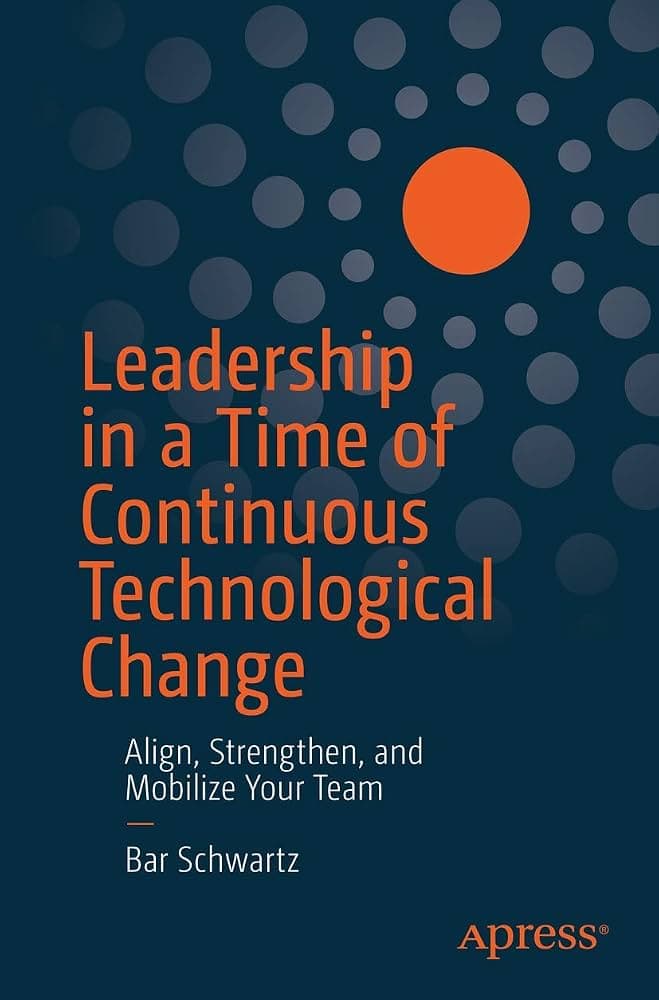
A practical guide for leaders tired of transformation theater.

How to lead large-scale organizational change without losing the people or the plot. Written from inside the work, not from a framework.

It is the thinking behind the leading adaptive change practice.

Cover of Leadership in a Time of Continuous Technological Change, by Bar Schwartz, published by Apress

Next

Pick one thing, and let’s get it moving

Tell us about one decision that keeps getting stuck, and who would need to agree to it. That is enough to start.